Cooler, drier days
The easiest all-round window for first visits, temple walks and a coast-and-cities trip. Popular dates and rooms book up earlier.
Plan a first journey →CAMBODIA TRAVEL PLANNING · REVIEWED 26 SEPTEMBER 2026
For the easiest first trip, choose November to February. Cambodia is rewarding through the year: the right month depends on whether you want cooler temple mornings, reliable island time or the colour and quieter pace of the green season.
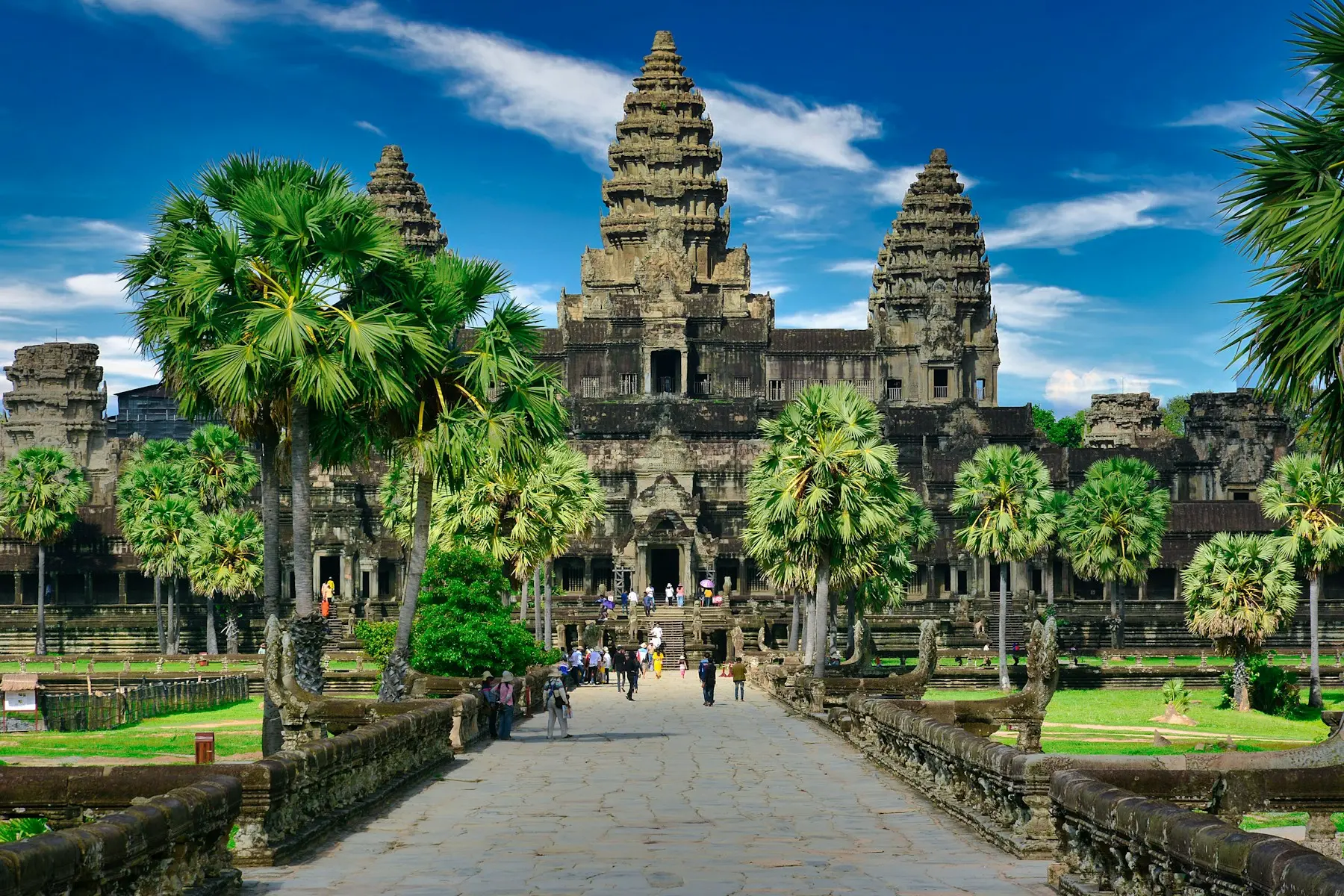
Cambodia generally has a wetter season from May to October and a drier season from November to April. November through February is the most comfortable starting point for a first visit. March and April can be very hot. The rainy season can be beautiful, but plans need more flexibility—especially for the islands and remote routes.
The easiest all-round window for first visits, temple walks and a coast-and-cities trip. Popular dates and rooms book up earlier.
Plan a first journey →Good for travellers comfortable with heat. Begin Angkor and city walks early, rest at midday and check current conditions before longer outdoor days.
Explore Angkor →Rain brings lush landscapes and a different pace. Keep room for showers, road delays and changes to boats or outdoor plans, especially near the coast.
Explore the regions →These are typical patterns, not forecasts. Check the weather and local transport close to departure.
A strong choice for Angkor, city walks and islands; reserve popular stays in advance.
A versatile month for a multi-stop trip; bring shade and water for long temple days.
Start outdoor activities early and plan a slower midday break.
Khmer New Year brings a festive atmosphere; confirm holiday hours and transport before travelling.
Expect a mix of heat and showers; stay flexible about exposed activities.
A good month for travellers happy to work around rain and changing road conditions.
Cities and temples remain possible; build in time for heavy showers.
Check boat operators and local forecasts before committing to island transfers.
Allow extra travel time, especially on rural routes and around rivers.
The landscape is vivid; rain can still affect plans, especially early in the month.
A rewarding balance of greener scenery and improving conditions, with regional variation.
A popular time for Angkor and the coast; book key nights and transfers ahead.
For long temple days, November to February is the gentlest choice. In hotter months, visit at dawn and leave the middle of the day free. Rainy-season visits are possible, with greener grounds and changeable weather.
Siem Reap guide →The capital works year-round: combine indoor stops, restaurants and evening plans with outdoor visits timed for cooler hours or breaks between showers.
Phnom Penh guide →Dry-season months generally give the best chance of calmer beach and boat conditions. Rain is heavier on parts of the coast than in the central plains, so confirm ferry schedules and sea conditions locally.
Coast and islands guide →Green-season landscapes can be remarkable. Water levels, roads and activities vary by place and month; use experienced local operators and leave flexibility in the route.
Compare destinations →Seasonal ranges and regional rainfall patterns are based on the World Bank Cambodia climate profile and the Cambodian Ministry of Tourism weather guide. Travel suggestions are editorial guidance rather than a prediction for a particular day. Check a current forecast, transport operator and official advisories before travel.
For the next step, compare 7, 10 and 14-day itineraries or read our arrival guide.